The Cuban government’s response to July 11
From the televised call to confront protesters to the deployment of police and special forces.
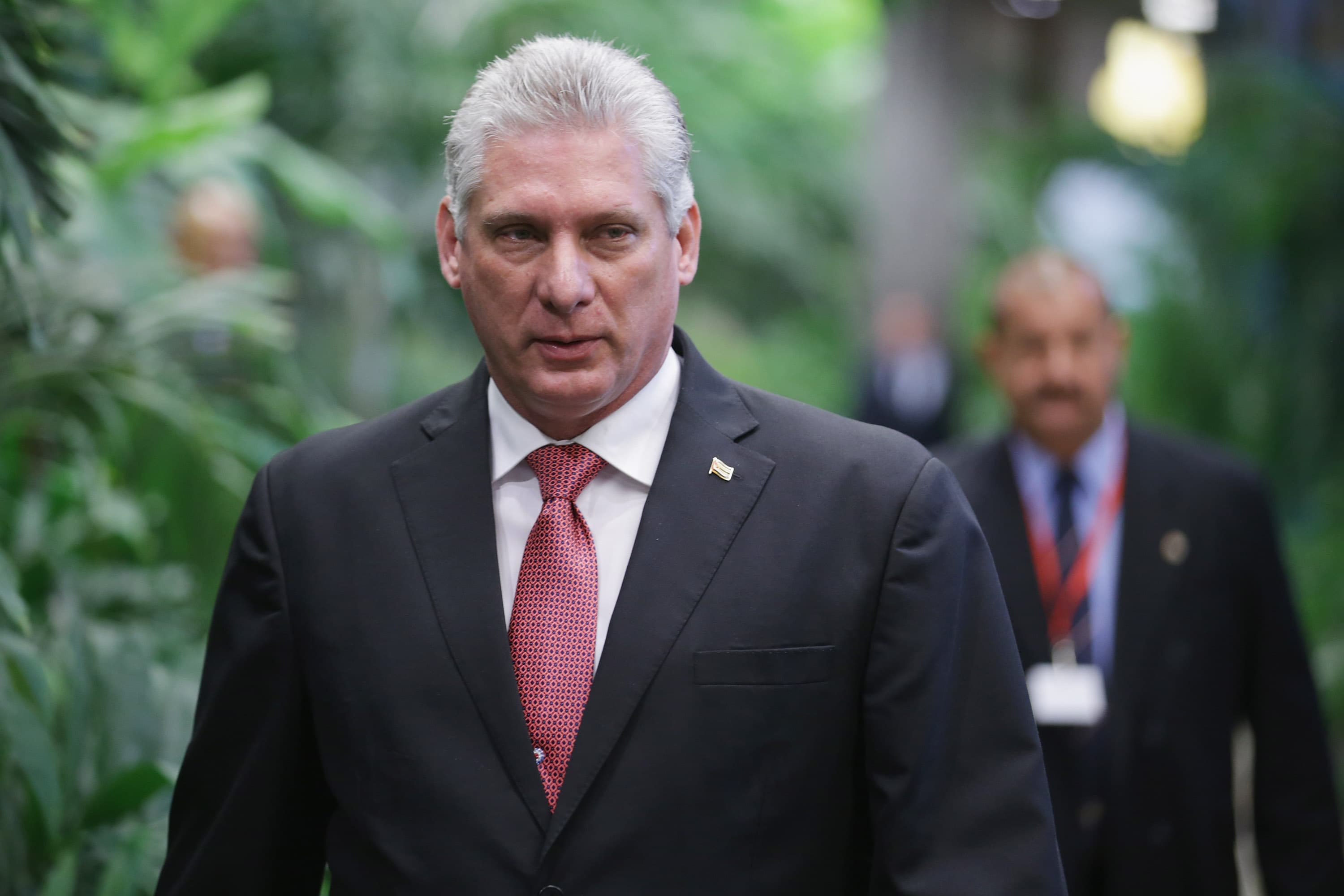
On July 11, President Miguel Díaz-Canel appeared on national television as demonstrations spread across Cuba. Rather than acknowledge peaceful demands, he called government supporters into the streets.
“The order of combat has been given. Revolutionaries, to the streets.”
Who was deployed
The people described as “revolutionaries” included organized state forces and government supporters mobilized to confront demonstrators.
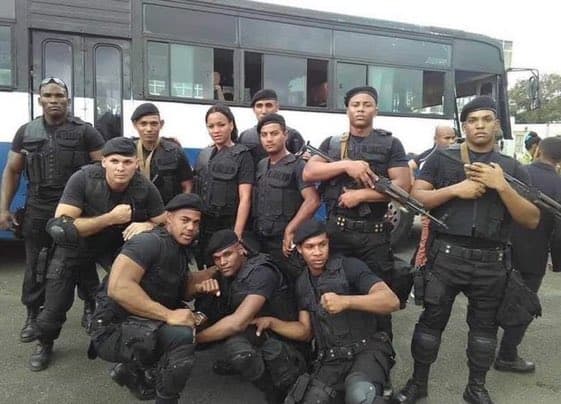
Special military brigades
Units known as the Black Berets—boinas negras—were deployed during the response.
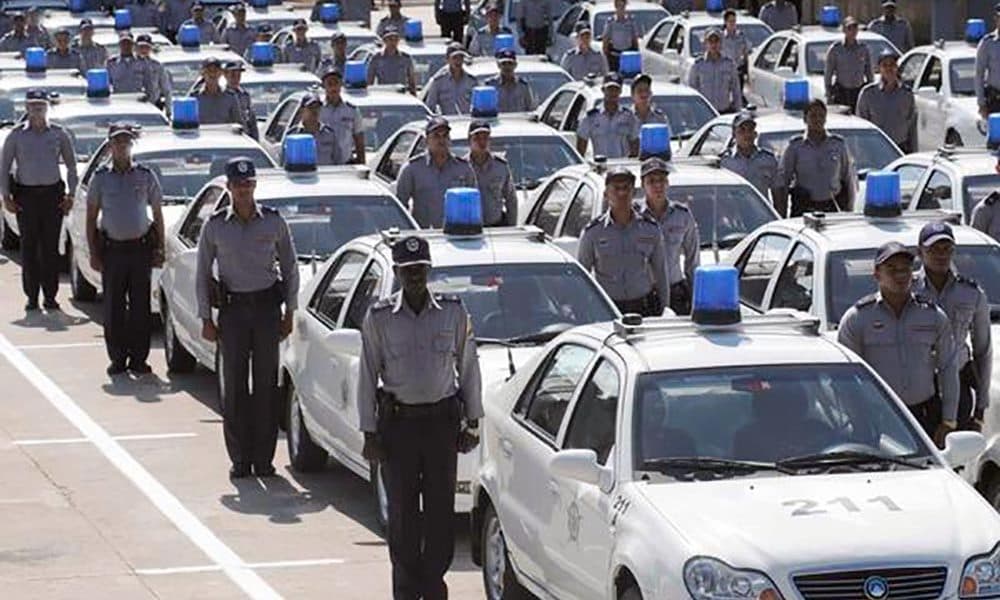
National police
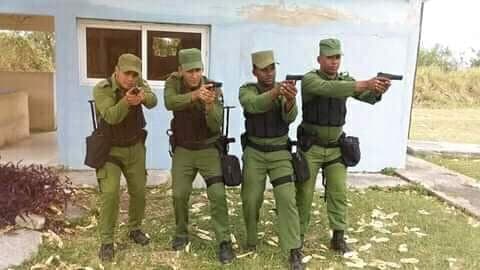
Ministry of the Interior forces
Videos and photographs also showed government-aligned civilians carrying sticks in the streets. Independent reporting and recordings documented beatings and arrests as the response intensified.
Documented violence
The U.S. Department of the Treasury later described the deployment of the National Revolutionary Police to suppress protesters. Its statement cited confrontations, arrests, the beating and arrest of a Catholic priest defending young protesters in Camagüey, and recorded instances of police using clubs against peaceful demonstrators.
U.S. Treasury statement on the July 2021 response ↗The climate extended beyond people who had demonstrated. Cubans reported being afraid to take out their phones in public because police might assume they were recording evidence against the government.
The response did not end in the streets. Authorities also restricted communications and carried out widespread detentions. Continue with the internet shutdown and missing and detained people.